Why Should You Pursue an HVAC Career?
As long as people need comfortable and safe indoor environments, HVAC technicians will be in demand. Homes, schools, hospitals, and businesses will always rely on skilled professionals to install, maintain, and repair heating, ventilation, air conditioning, and refrigeration systems.
That demand translates into strong job stability and long-term career security. According to the U.S. Bureau of Labor Statistics (BLS), employment for HVAC technicians is projected to grow by 6% between 2022 and 2032. This growth is driven by several factors, including new residential and commercial construction, the ongoing need to service and repair existing systems, and increasing consumer interest in energy-efficient and environmentally friendly HVAC equipment. As systems become more advanced, the need for trained and knowledgeable technicians continues to rise.
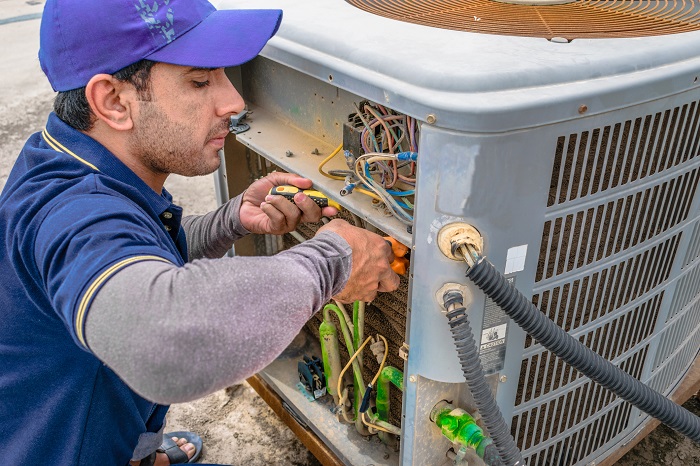
An HVAC career is especially appealing to individuals who enjoy hands-on work and problem-solving. Technicians use a combination of mechanical skills, electrical knowledge, and critical thinking to diagnose issues and restore systems to proper operation. Each job presents a new challenge, which keeps the work engaging and rewarding. Rather than sitting behind a desk all day, HVAC professionals work in a variety of environments and see the direct impact of their skills.
Most HVAC technicians work full time, but the job does come with responsibilities outside of traditional business hours. Many technicians rotate on-call shifts, which may include evenings or weekends, to respond to emergency service needs. While this can require flexibility, it also often comes with opportunities for overtime pay and increased earnings. For many technicians, the trade-off is worthwhile given the stability, career growth potential, and sense of purpose the work provides.
For those looking for a career that offers steady demand, practical work, and long-term opportunity, HVAC is a strong and reliable path. With the right training and credentials, technicians can build a career that grows alongside the industry itself.