
What HVAC Training Looks Like
Starting a career in HVAC doesn’t happen overnight. Training is a critical part of the journey, helping future technicians build the knowledge and confidence needed to succeed in the field. If you’re considering HVAC as a career, understanding what the training process looks like can help you set realistic expectations and prepare for what’s ahead.
HVAC training combines classroom learning with hands-on experience. Students learn the fundamentals of heating, cooling, electrical systems, refrigeration, airflow, and safety. This technical foundation is essential, as technicians must understand how systems work before they can troubleshoot and repair them effectively.
Classroom Learning: Building the Foundation
In the classroom, HVAC students focus on core concepts such as system components, electrical theory, refrigerant cycles, and troubleshooting methods. You’ll learn how to read wiring diagrams, understand system pressures, and follow industry codes and safety standards. This knowledge forms the backbone of your technical skill set.
Classroom training also introduces students to industry terminology and best practices. While it may feel overwhelming at first, these concepts become more familiar as you see how they apply to real-world situations.
Hands-On Training: Learning by Doing
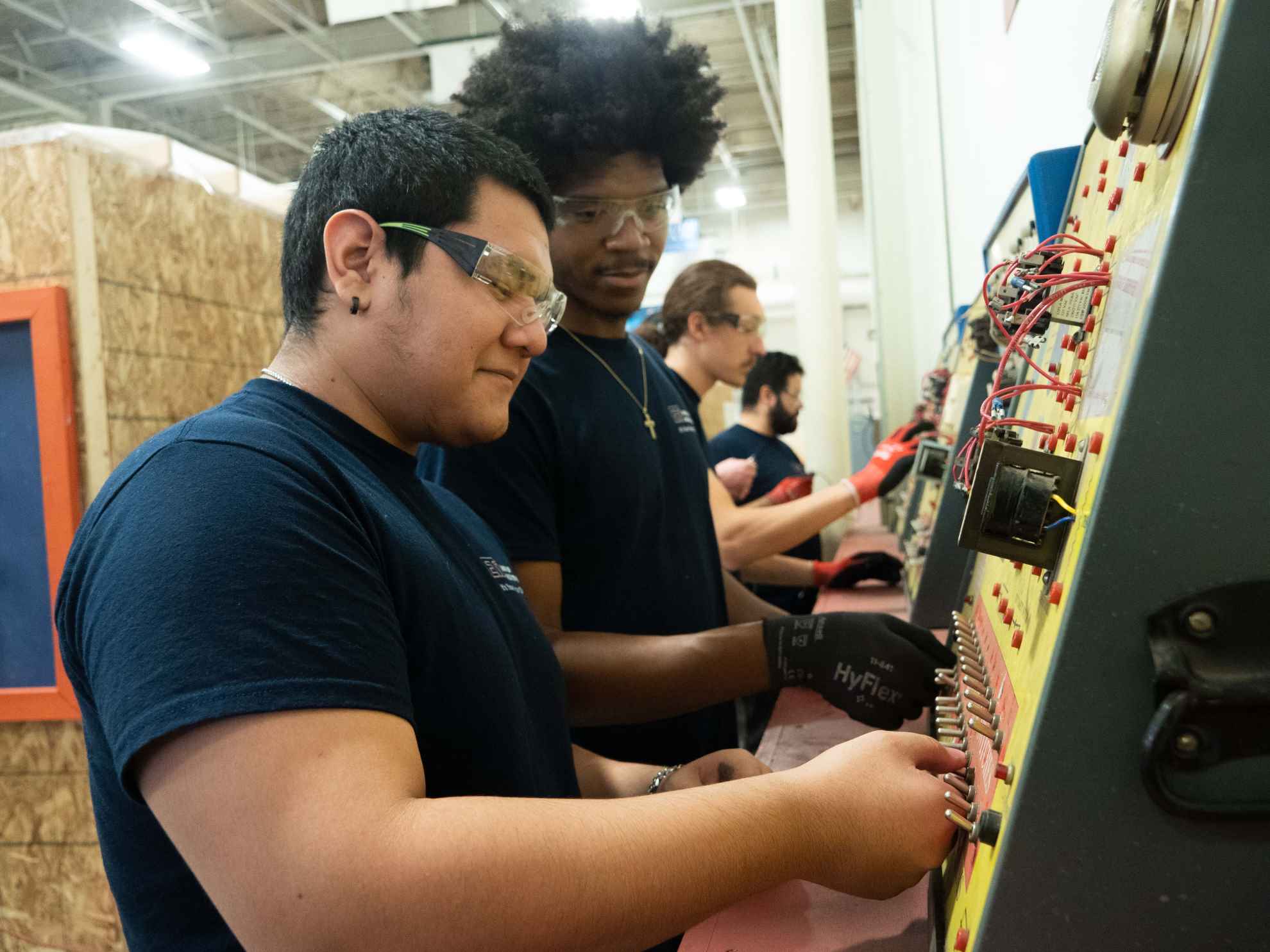
Hands-on experience is where HVAC training really comes to life. Many programs include lab work where students practice installing, maintaining, and repairing equipment in a controlled environment. This allows you to make mistakes, ask questions, and build confidence before working in the field.
Apprenticeships and entry-level positions take hands-on learning even further. Working alongside experienced technicians helps you understand how classroom concepts translate to real service calls. Over time, repetition and exposure to different systems strengthen your skills and decision-making ability.
Learning on the Job: The First Few Years
The early years of an HVAC career are a major learning period. New technicians often encounter unfamiliar problems and situations that challenge their knowledge. Asking questions, observing experienced coworkers, and staying open to feedback are key to growth during this stage.
Many technicians continue studying while working, using online courses, study guides, and certification prep materials to reinforce their knowledge. Continuous learning is part of the HVAC profession, especially as new technology and regulations emerge.
Preparing for Certification and Career Growth
As technicians gain experience, certification becomes an important step toward career advancement. Industry-recognized credentials like NATE certification help validate a technician’s skills and knowledge. Preparing for certification encourages technicians to strengthen fundamentals and stay current with industry standards.
HVAC training doesn’t end with your first job or certification. The most successful technicians are those who commit to lifelong learning, adapting to new equipment, technology, and customer expectations as the industry evolves.
Is HVAC Training Worth It?
HVAC training requires time, effort, and dedication, but it lays the groundwork for a stable and rewarding career. With the right training and a willingness to keep learning, technicians can build skills that lead to long-term job security, advancement opportunities, and professional pride.